
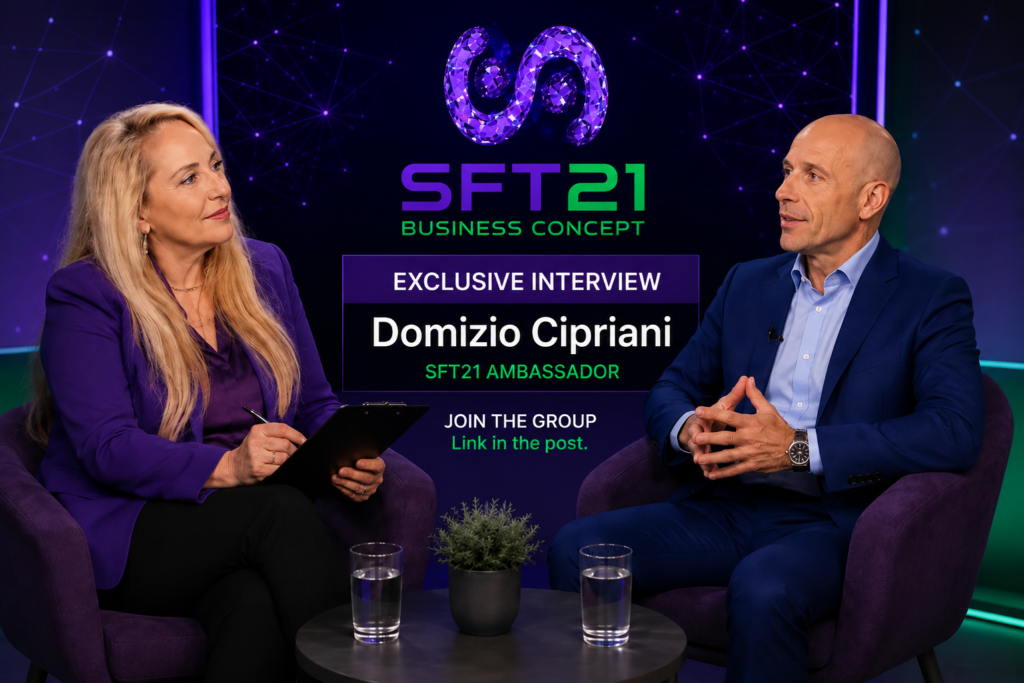
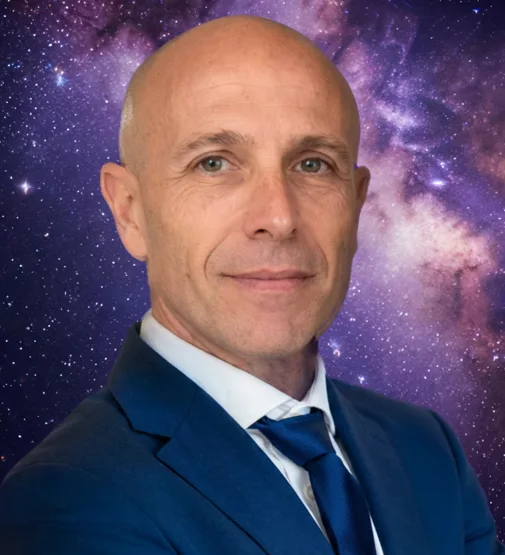
Recently, an exclusive interview with Domizio Cipriani, the first SFT21 ambassador, was published.
Today, I watched a new video featuring an SFT21 co-founder reflection on that interview.
What caught my attention was not only the announcement itself.
It was the questions behind it.
Why do experienced international figures become interested in projects like SFT21?
What do they see in the concept?
Which values resonate with them?
And why do they believe certain ideas deserve their support?
As I watched the video around the time of the Summer Solstice 2026, a period often associated with reflection, growth, and new beginnings, I found myself thinking about these questions even more.
Looking Beyond the Headlines
Whenever a well-known individual becomes involved with a project, most people focus on the news itself.
Who joined?
What title did they receive?
What happens next?
But the SFT21 co-founder reflection encouraged me to look deeper.
Not just at who joined the project.
But at the reasons behind the decision.
Sometimes the most interesting part of a story is not the announcement.
It is the motivation behind it.
That is what made this video particularly interesting to me.
What Attracts People to a Digital Ecosystem?
Over the past several months, I have written frequently about trust, community, and digital ecosystems.
These themes continue to appear in many of the conversations surrounding SFT21.
The video commentary made me think about a simple question:
What attracts experienced people to a new business concept?
Is it the technology?
The structure?
The vision?
Or perhaps the possibility of creating something that benefits more than just a small group of people?
The answers will likely be different for everyone.
But I believe these are worthwhile questions to explore.
A Perspective Worth Listening To
One thing I appreciate about interviews and commentaries like these is that they provide access to perspectives from people with extensive international experience.
That does not mean every opinion should automatically be accepted.
But it does mean those perspectives can help us see things from a different angle.
The SFT21 co-founder reflection does not focus only on business growth.
It also touches on broader ideas about participation, cooperation, and long-term thinking.
In a world where many online opportunities focus on quick results, conversations about sustainability and vision can be refreshing.
Connections to Previous Articles
If you have been following my recent content, you may notice that this topic connects naturally with several articles I have already published.
For readers who would like additional context, I recommend:
👉 Domizio Cipriani Interview and SFT21 Vision
https://filipdoric.com/domizio-cipriani-interview-sft21-vision/
👉 Sanja Andrijić Marinović and SFT21
https://filipdoric.com/sanja-andrijic-marinovic-sft21/
👉 First SFT21 Ambassador
https://filipdoric.com/first-sft21-ambassador/
Each article explores a different aspect of the broader story.
Together, they help paint a clearer picture of how the project continues to evolve internationally.
Trust, Community, and Long-Term Thinking
One of the reasons I found this SFT21 co-founder reflection interesting is that it touches on themes I believe are becoming increasingly important online.
Many people today are searching for more than products.
They are searching for:
- trust
- meaningful communities
- shared goals
- long-term opportunities
- genuine connections
Technology alone rarely creates those things.
People do.
Communities do.
And sometimes a strong vision helps bring those people together.
Whether someone supports SFT21 or simply observes it from a distance, these themes remain relevant.
The Value of Asking Questions
I do not think videos like this are valuable because they provide every answer.
In many cases, they are valuable because they encourage people to ask better questions.
Questions such as:
- How do successful communities grow?
- What makes people trust a new concept?
- Can digital business systems operate differently from traditional models?
- What role does leadership play in building long-term projects?
The SFT21 co-founder reflection inspired me to think about these topics once again.
And I suspect many viewers may have a similar experience.
Watch the Video
For anyone interested in this discussion, I recommend watching the video.
The video is presented in Croatian, but English subtitles are available, making it accessible to international viewers as well.
Whether you are interested in SFT21 specifically or simply enjoy conversations about digital ecosystems, leadership, and community building, you may find it worth your time.
Sometimes a short commentary can spark much larger conversations.
Final Thoughts
For me, the most interesting part of this SFT21 co-founder reflection was not a specific claim or prediction.
It was the opportunity to think about the bigger picture.
About trust.
About community.
About digital ecosystems.
And about why certain ideas attract people with significant international experience.
Regardless of where someone stands on the project itself, I believe it is always useful to listen to different perspectives.
Because sometimes the most valuable insights come not from the answers we receive.
But from the questions we begin to ask.
Free Inbox Framework
If you are building an audience, exploring online business opportunities, or looking for a better way to start conversations online, I would like to share a free resource with you.
Free Inbox Framework: Turn “I’m Interested” Into Real Conversations (No Pitching)
Most people lose potential connections in the inbox not because they have a poor offer, but because they explain too much or push too early.
Inside this free PDF, I share a simple framework I personally use to guide conversations naturally without pressure or complicated scripts.
Subscribe to my newsletter below and I’ll send it to you for free.
📬 Want more tips like this?
Subscribe to get fresh blog posts directly to your inbox.